Miles and Money: Should Car Taxes Depend on How You Drive?

Miles and Money: Should Car Taxes Depend on How You Drive?
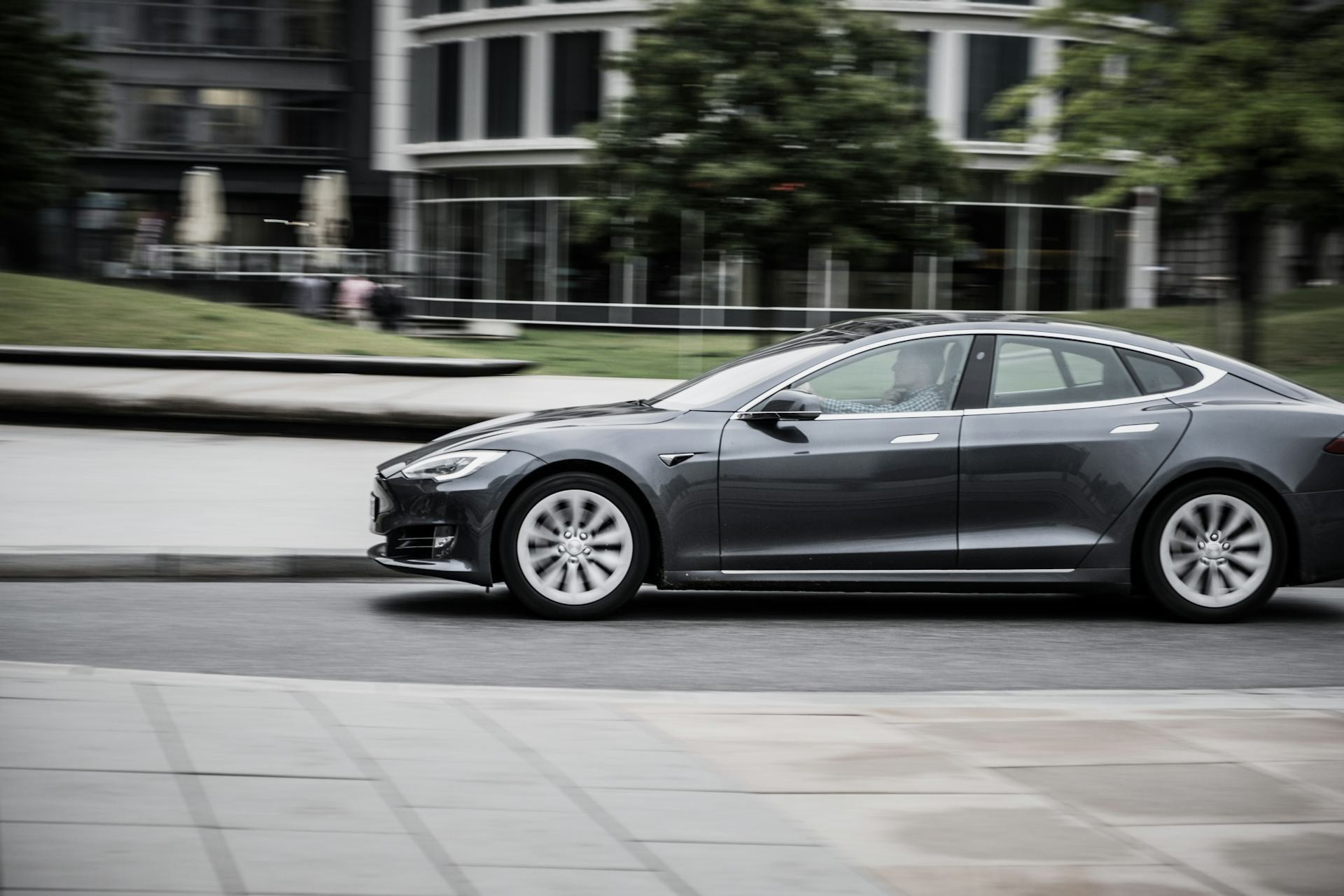
For decades, what Americans pay to own and operate a car has been tied to the vehicle’s price, weight, and fuel efficiency. But as electric vehicles (EVs) become more common and gas tax revenues decline, a new question is emerging: Should drivers pay taxes based on how much—and how—they drive?
The idea of a mileage-based road usage fee is gaining attention among policymakers, economists, and transportation experts. Supporters see it as a fair and sustainable way to fund infrastructure, while critics worry about privacy, costs, and the impact on rural drivers.
From Gas Taxes to Road Usage Fees
Today, most of the money that funds America’s highways and bridges comes from federal and state fuel taxes. But as cars become more fuel-efficient and electric, those revenues are shrinking. The federal gas tax hasn’t been raised since 1993, and the Highway Trust Fund has faced chronic shortfalls.
To fill the gap, several states—including Oregon, Utah, and Virginia—have begun testing systems where drivers pay based on the number of miles they travel rather than the gallons of fuel they burn. The concept is simple: those who use the roads more should contribute more to their upkeep.
The Case For: Fairness and Sustainability
Proponents argue that a mileage-based system is fairer and more sustainable. A driver who commutes 50 miles a day causes more wear and tear on roads than someone who only drives on weekends, yet under the current system, both might pay similar amounts if they drive fuel-efficient cars.
A per-mile fee could also encourage more efficient use of roads. Rates could vary depending on time and location—higher during rush hour or in congested urban areas, lower in rural regions or off-peak times. That could help reduce traffic, emissions, and the need for costly road expansions.
Supporters also note that such a system would ensure stable funding as the nation transitions to electric vehicles. Instead of losing revenue as gas sales decline, governments could maintain a consistent stream to repair and improve infrastructure.
The Case Against: Privacy and Inequality
Opponents, however, see serious downsides. Tracking mileage often requires technology that records where and when people drive, raising concerns about government surveillance and data security. Even if systems only record total miles, many Americans are wary of sharing driving data with the state.
There’s also the issue of fairness across geography. Rural residents often drive longer distances for work, school, and shopping, with few public transit alternatives. A per-mile tax could hit them harder than city dwellers who have access to buses, trains, or bike lanes.
And then there’s the administrative challenge: implementing a nationwide system that’s accurate, secure, and affordable to manage. Critics fear it could become a bureaucratic headache that costs more to run than it brings in.
Læs også:

Lessons from the States
Oregon has been a pioneer in testing mileage-based fees through its OReGO program, where volunteers pay a small charge per mile and receive credits for the gas tax they would otherwise pay. Utah and Virginia have launched similar pilot programs. Early results show that the technology works, but public acceptance remains mixed.
Experts say transparency is key. When drivers see that the money collected goes directly to road maintenance, safety improvements, or public transit, they’re more likely to support the system.
What the Future Might Hold
At the federal level, the 2021 Infrastructure Investment and Jobs Act included funding for pilot programs to explore mileage-based user fees. While no national system is imminent, many analysts believe it’s only a matter of time before some form of per-mile taxation becomes part of the transportation funding mix.
The challenge will be finding the right balance—between fairness and privacy, between urban and rural needs, and between maintaining revenue and encouraging greener travel choices.
A New Way to Think About Driving Costs
Whether it arrives in five years or fifteen, a shift toward paying for road use by the mile could fundamentally change how Americans think about driving. It would tie the cost of car ownership more closely to actual use—rewarding those who drive less and ensuring that heavy users pay their share.
For some, that might feel like an intrusion or an added burden. For others, it could be a step toward a more equitable and sustainable transportation system.
The real question isn’t if the way we pay for roads will change—but how.
Læs også: