Depreciation and Electric Cars: When Does It Pay to Make the Switch?

Depreciation and Electric Cars: When Does It Pay to Make the Switch?
Electric vehicles (EVs) are no longer a niche product on American roads. With lower running costs, zero tailpipe emissions, and a growing range of models, they’ve become a serious alternative to gas-powered cars. But when it comes to the financial side of car ownership, electricity prices aren’t the only factor that matters. Depreciation — how much your car loses in value over time — plays a major role. So when does it actually make financial sense to switch to an electric car?
Why Depreciation Matters
For most car owners, depreciation is the single largest cost of ownership. It’s the difference between what you pay for the car and what you can sell it for later. New cars typically lose 30–50% of their value in the first three years, depending on brand, model, and market conditions.
In the early years of EV adoption, electric cars were known for depreciating faster than their gas counterparts. Concerns about battery life, limited range, and rapid technological change made used EVs less attractive. But that picture is changing. Demand for used EVs is rising, and newer models are holding their value better than expected.
Læs også:


From Uncertainty to Stability
The first generation of electric cars often had short ranges and small batteries, which limited their appeal on the used market. Today, most new EVs can travel 250–350 miles on a charge, and battery technology has improved dramatically. Many automakers now offer battery warranties of eight years or 100,000 miles, giving buyers more confidence in long-term reliability.
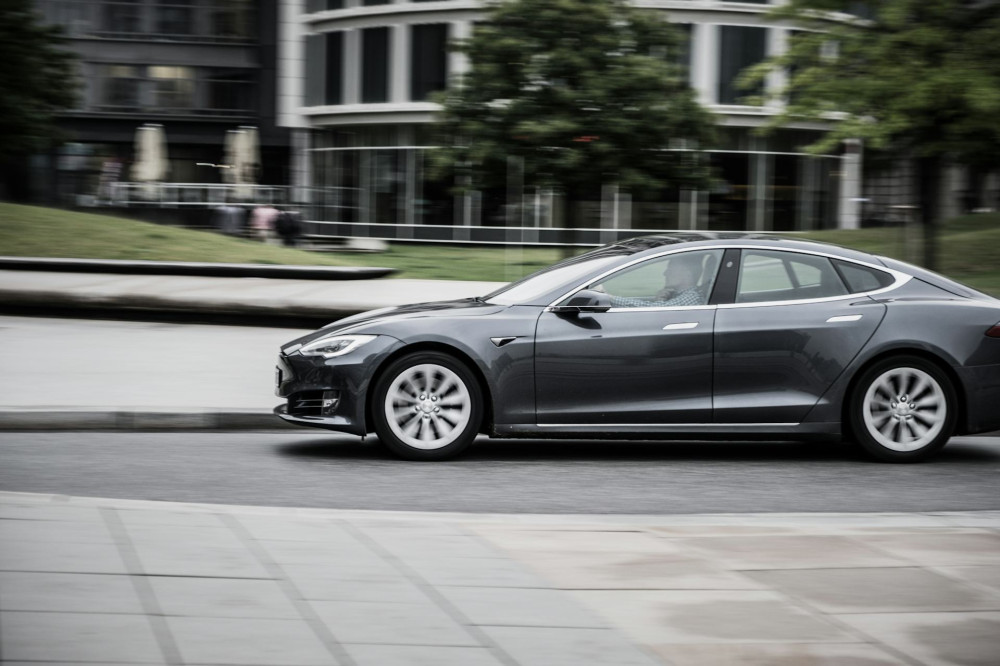
According to data from used car marketplaces, models like the Tesla Model 3, Ford Mustang Mach-E, and Hyundai Ioniq 5 are showing more stable resale values than earlier EVs. In some cases, their depreciation rates are now comparable to — or even lower than — similar gas-powered vehicles.
Still, the EV market is evolving quickly. Factors such as federal tax credits, state incentives, and the pace of new model introductions can all influence resale values. If EV production costs drop sharply, used prices could fall faster as well.
When Does the Switch Make Financial Sense?
Whether switching to an EV pays off depends on several key factors:
- Driving habits: If you drive a lot each year, you’ll save more on fuel and maintenance. EVs have fewer moving parts and require less servicing than gas cars.
- Charging access and electricity rates: Home charging at off-peak rates can make a big difference. Relying mainly on public fast chargers can reduce your savings.
- Your current car’s age and value: If you own a relatively new gas car, trading it in too soon could mean taking a bigger depreciation hit. But if your current vehicle is nearing replacement, an EV could be a smart long-term investment.
- Incentives and tax credits: Federal and state incentives can significantly lower the purchase price of a new EV. However, these programs change over time, so it’s worth checking the latest eligibility rules.
A good way to compare is to calculate the total cost of ownership over four to six years — including purchase price, depreciation, fuel or electricity, maintenance, and insurance. In many cases, especially for high-mileage drivers, EVs come out ahead.
Resale Value and Future Outlook
Buying an EV also means buying into a rapidly advancing technology. That can feel risky, but it doesn’t necessarily mean older EVs will lose all their value. Many used models are in high demand as commuter cars or second vehicles for households that don’t need long-range capability.
Meanwhile, the U.S. charging network is expanding quickly, and federal and state policies are pushing toward a phase-out of new gas-powered cars in the coming decades. As more drivers make the switch, demand for used EVs is likely to remain strong, helping to stabilize resale values.
How to Decide if It’s the Right Time
If you’re considering an EV, ask yourself three questions:
- How long do I plan to keep the car? The longer you keep it, the less annual impact depreciation has.
- Can I charge at home or at work? Convenient, low-cost charging is key to maximizing savings.
- Am I ready to adapt my driving habits? EV ownership may require some planning for charging, but it offers quieter, cleaner, and often cheaper driving.
For many American drivers, the answer today is yes — especially when looking at the total cost over several years. Depreciation is no longer a deal-breaker for EVs; it’s simply one factor in a broader financial picture.
Conclusion: A Smart Move with the Right Timing
Electric cars have moved beyond the early-adopter stage. They’re now a practical and increasingly economical choice for everyday drivers. While depreciation still matters, the gap between EVs and gas cars has narrowed significantly. With lower operating costs, improving resale values, and growing infrastructure, switching to an electric car can be a sound financial decision — and a step toward a cleaner future.
Læs også: