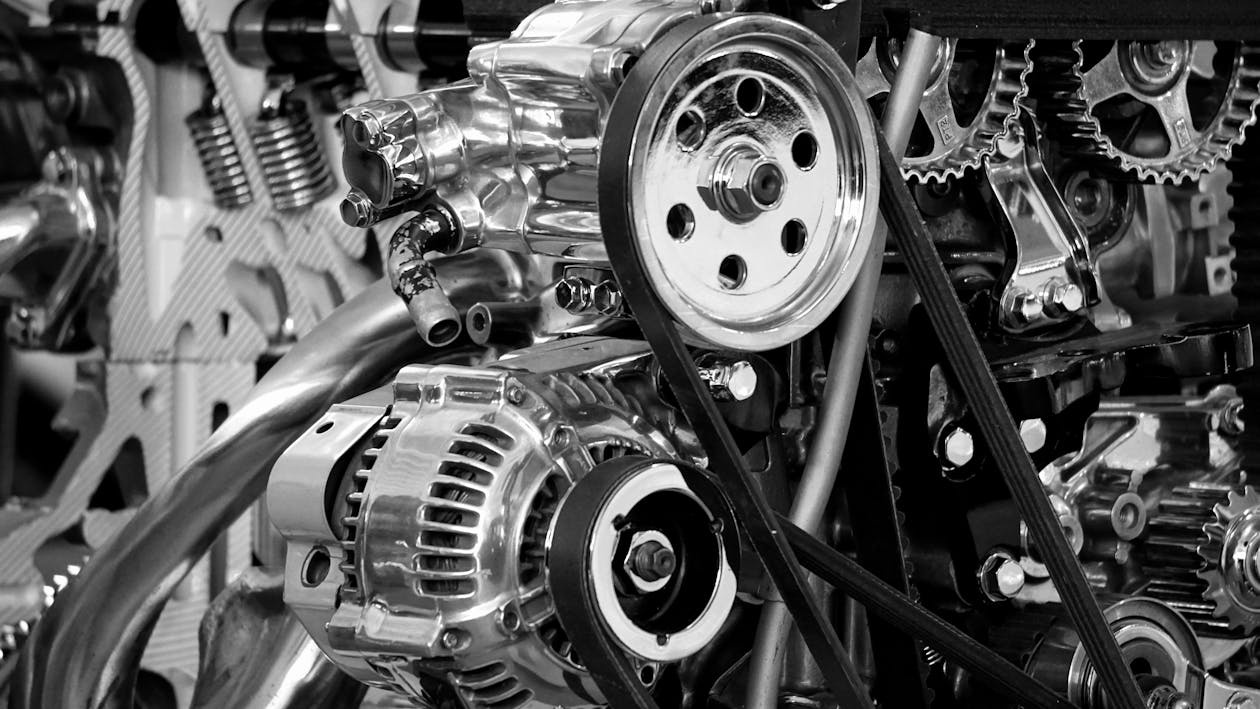
Marine engines play a crucial role in global trade, transportation, and offshore industries. These engines power cargo ships, fishing vessels, ferries, and even luxury yachts, making them an essential part of the maritime economy. Because over 80% of global trade is transported by sea, marine engines are directly tied to the movement of goods and, ultimately, to the generation of wealth.
For individuals and businesses, the marine engines sector offers multiple ways to generate income. From manufacturing and maintenance to operation and resale, the industry is filled with opportunities. The demand for reliable engines continues to grow as shipping increases and fleets expand, making this field both stable and profitable.
Understanding how marine engines function and where they fit in the broader maritime ecosystem is key to identifying these opportunities. Whether someone is technically inclined or business-oriented, there are clear pathways to earning money within this industry.
Working with engines: Careers and technical expertise
One of the most direct ways to earn money from marine engines is through technical work. Skilled professionals such as marine engineers, mechanics, and technicians are always in demand. These roles involve installing, maintaining, and repairing engines on ships and offshore equipment.
Marine engines are complex machines that require specialized knowledge. Professionals who invest time in training and certification can command high salaries, especially when working on large commercial vessels. In addition, offshore jobs often come with premium pay due to the demanding nature of the work.
Another advantage of working with engines in the maritime sector is global mobility. Ships operate worldwide, and skilled workers can find employment in different countries and regions. This opens up opportunities for higher income and career advancement.
Entrepreneurial individuals can also start their own service businesses. Offering engine repair, maintenance, or spare parts supply can be highly profitable, especially in busy ports where downtime is costly for ship operators.
Business opportunities around engines and maritime trade
Beyond technical roles, marine engines create a wide range of business opportunities. Companies involved in the production and distribution of engines and spare parts form a significant part of the maritime economy. Investing in or working with such businesses can be a strong source of income.
Trading used engines is another lucrative niche. Many vessels upgrade their engines to meet environmental regulations or improve efficiency, creating a market for second-hand equipment. Entrepreneurs can buy, refurbish, and resell engines at a profit.
Leasing engines or providing engine-based solutions is also becoming more common. Some companies offer power solutions for temporary marine operations, such as offshore construction or emergency services. This model generates recurring revenue and reduces upfront costs for customers.
In addition, logistics and shipping companies rely heavily on engines for their operations. Owning or investing in vessels means directly benefiting from the income generated by transporting goods. As long as global trade continues, engines will remain a core driver of these profits.
Efficiency and innovation in engines driving profitability
Modern marine engines are becoming more efficient, and this has a direct impact on profitability. Fuel is one of the largest expenses in maritime operations, so engines that consume less fuel can significantly increase margins.
For individuals and companies, investing in newer, more efficient engines can lead to long-term savings and higher earnings. This is particularly relevant for ship owners and operators, who can reduce operational costs and stay competitive in the market.
Innovation in engines is also opening new revenue streams. Hybrid and electric marine engines are gaining popularity as environmental regulations become stricter. Businesses that adapt to these changes early can position themselves as leaders in a growing market.
Data and monitoring systems are another area of growth. Modern engines often come with advanced sensors that provide real-time performance data. Companies can use this information to optimize operations, reduce downtime, and increase profitability.
For individuals, staying updated on these technological trends can lead to better job opportunities and higher income. Specialized knowledge in advanced engine systems is becoming increasingly valuable.
Future of engines and long-term financial potential
The future of marine engines is closely tied to global economic trends and environmental policies. As the world continues to rely on maritime transport, the demand for engines will remain strong. At the same time, there is a shift toward cleaner and more sustainable technologies.
This transition creates both challenges and opportunities. Traditional engines are being replaced or upgraded, leading to demand for new skills and services. Those who adapt to these changes can benefit financially by entering emerging markets.
Green engines, such as those powered by alternative fuels like LNG, hydrogen, or electricity, are expected to dominate the future. Investing in these technologies or building expertise in them can lead to significant financial rewards.
Additionally, the maritime industry is becoming more digitalized. Smart ships and automated systems rely heavily on advanced engines and integrated technologies. This opens up opportunities for software specialists, data analysts, and engineers to contribute to the industry.
In conclusion, marine engines are not just mechanical components—they are key drivers of economic activity. From hands-on technical work to large-scale business ventures, there are numerous ways for individuals to generate income through this field. By understanding the industry, investing in skills or assets, and staying ahead of technological trends, people can turn marine engines into a reliable and profitable career path.