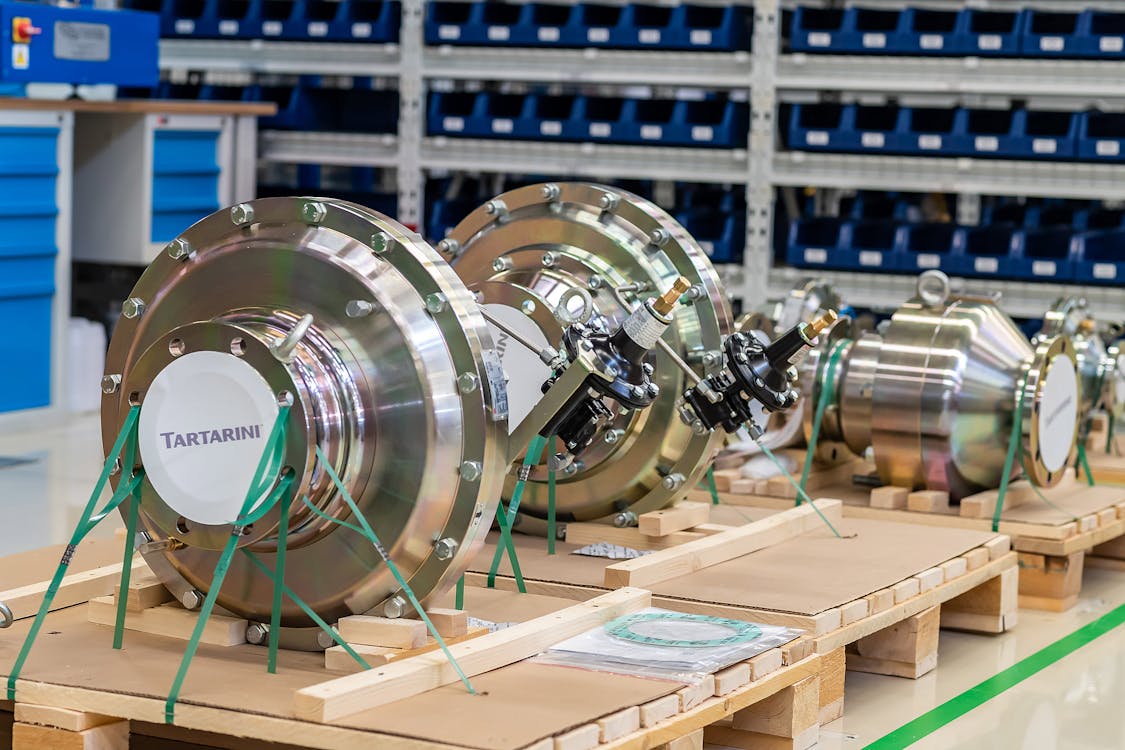
A
deep drawing press is a specialized machine used to transform flat sheet metal into complex, three-dimensional shapes through a controlled forming process. This capability is highly valuable across industries such as automotive, aerospace, packaging, and electronics. From an economic standpoint, the deep drawing process allows companies to produce high volumes of components with consistent quality and minimal waste. As a result, businesses can lower production costs while increasing output, ultimately improving profitability and competitiveness in the market.
Material efficiency gains with deep drawing press technology
One of the most significant ways a deep drawing press contributes to financial savings is through improved material efficiency. The process is designed to stretch and form metal without excessive cutting, which means that a larger portion of the raw material is used in the final product.
This reduction in scrap material is particularly valuable in industries that rely on expensive metals such as stainless steel or aluminum. By maximizing the use of each sheet, companies can significantly lower their raw material expenses. Additionally, less waste leads to reduced costs for disposal and recycling, further enhancing the economic benefits of using a deep drawing press.
Cost-effective mass production using deep drawing press systems
A major advantage of a deep drawing press is its ability to support large-scale production. Once the tooling and setup are complete, the machine can produce thousands or even millions of identical parts with minimal variation. This consistency reduces the need for manual adjustments and quality checks.
Mass production lowers the cost per unit, as fixed expenses such as labor, machinery, and facility costs are distributed across a higher volume of products. For industries like automotive manufacturing or consumer goods, this efficiency can result in substantial cost savings and higher profit margins.
Labor savings enabled by deep drawing press automation
Automation plays a key role in the economic advantages of a deep drawing press. These machines can be integrated into automated production lines, reducing the need for manual intervention. Operators are primarily responsible for monitoring and maintenance rather than direct involvement in each production step.
This shift leads to lower labor costs and improved productivity. Companies can allocate their workforce to more complex tasks that add greater value, while the deep drawing press handles repetitive and precise forming operations. Over time, this results in a more efficient and cost-effective production process.
Reduced tooling costs with deep drawing press processes
Compared to other forming techniques that require multiple steps or different machines, a deep drawing press often consolidates several operations into a single process. This reduces the need for multiple tools, molds, or machines.
Lower tooling requirements mean reduced initial investment and lower maintenance costs. Additionally, fewer process steps decrease the likelihood of errors and defects, which can otherwise lead to costly rework. For many companies, this streamlined approach translates into significant financial savings.
Quality consistency from deep drawing press operations
A deep drawing press ensures a high level of precision and repeatability, which directly impacts product quality. Consistent quality reduces the number of defective parts, minimizing waste and the need for reprocessing.
High-quality products also lead to increased customer satisfaction and fewer returns or warranty claims. This not only saves money but also strengthens a company’s reputation in the market. Over time, maintaining consistent quality through deep drawing press technology can lead to increased sales and long-term profitability.
Industry flexibility provided by deep drawing press applications
The versatility of a deep drawing press makes it valuable across a wide range of industries. From producing automotive body parts to manufacturing kitchen sinks, beverage cans, and electronic enclosures, the applications are extensive.
This flexibility allows companies to diversify their product offerings without investing in entirely new production systems. By adapting existing deep drawing press setups, businesses can enter new markets and generate additional revenue streams. This adaptability is a key factor in maintaining financial stability in changing economic conditions.
Energy efficiency benefits of deep drawing press machinery
Modern deep drawing press machines are designed with energy efficiency in mind. They use optimized hydraulic or mechanical systems to apply force only when needed, reducing unnecessary energy consumption.
Lower energy usage results in reduced operational costs, which can have a significant impact on overall profitability. In addition, energy-efficient production processes may qualify companies for government incentives or tax benefits related to sustainability, further enhancing the economic advantages of using a deep drawing press.
Faster production cycles with deep drawing press equipment
Speed is another critical factor in the economic success of manufacturing operations. A deep drawing press can perform complex forming processes quickly and consistently, reducing cycle times compared to traditional methods.
Shorter production cycles mean that companies can meet demand more efficiently and take on larger orders without increasing costs proportionally. This ability to scale production quickly provides a competitive advantage and enables businesses to capitalize on market opportunities as they arise.
Long-term profitability through deep drawing press investments
Investing in a deep drawing press is not just about immediate cost savings but also about long-term financial growth. The combination of material efficiency, reduced labor costs, high production speed, and consistent quality creates a strong foundation for sustained profitability.
Over time, the savings generated by the deep drawing process can offset the initial investment in machinery and tooling. Companies that adopt this technology position themselves to remain competitive, adapt to market changes, and achieve steady economic growth.