How to Have a Good Dialogue with Government Agencies During Your Building Permit Application

How to Have a Good Dialogue with Government Agencies During Your Building Permit Application
Applying for a building permit can feel like a complex and bureaucratic process, but maintaining a good dialogue with government agencies can make all the difference. Whether you’re planning to build a new home, add an extension, or remodel an existing structure, effective communication with your local building department is key to keeping your project on track. Here’s a guide to help you build a constructive and efficient relationship with the authorities during your permit application.
Understand the Process and Know the Rules
Before you reach out to your local building department, take time to understand the basic regulations that apply to your project. Building officials are responsible for ensuring that your plans comply with zoning laws, building codes, and other local ordinances. The more familiar you are with these requirements, the smoother your interactions will be.
Start by reviewing:
- Zoning regulations for your property – these determine what you can build, how tall it can be, and how far it must be set back from property lines.
- Building codes – these outline technical standards for safety, structure, energy efficiency, and accessibility.
- Homeowners’ association (HOA) rules or deed restrictions, if applicable – these may impose additional design or use limitations.
Showing that you’ve done your homework demonstrates respect for the process and helps establish trust with the officials reviewing your application.
Contact the Building Department Early
One of the most common mistakes is waiting too long to reach out. Many local governments offer pre-application meetings or planning consultations, where you can discuss your ideas before submitting formal plans.
These meetings can help you:
- Confirm whether your project is likely to be approved.
- Learn what documents, drawings, and forms are required.
- Identify potential issues early, such as setbacks, easements, or environmental restrictions.
An early conversation can save you time and frustration later. It also gives the agency a chance to guide you toward a complete and compliant application.
Be Clear and Thorough in Your Application
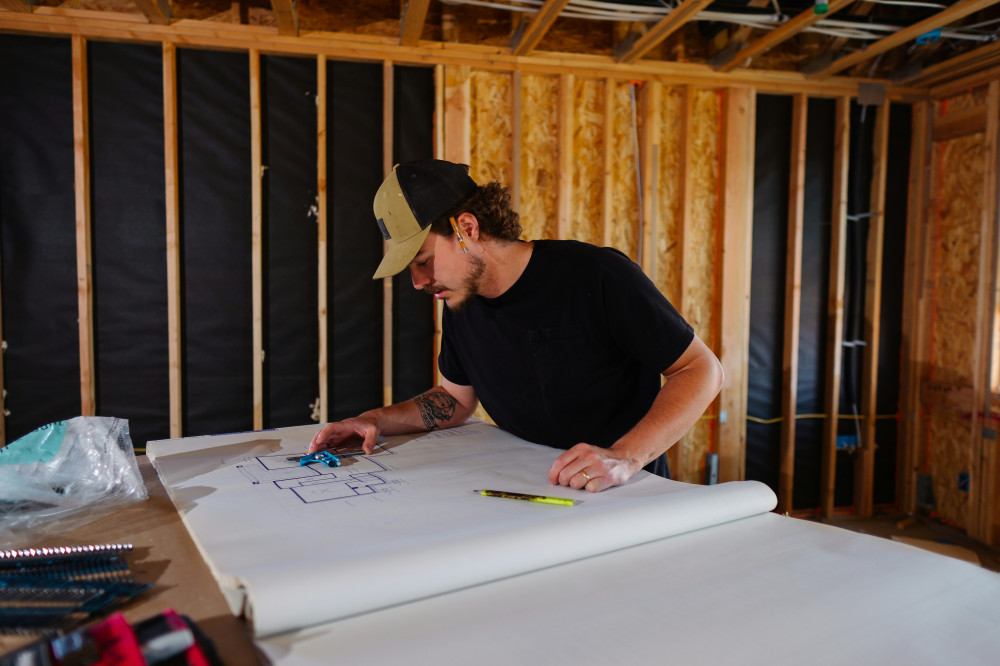
Incomplete or unclear applications are a major cause of delays. Make sure your submission includes all required materials—such as site plans, floor plans, elevation drawings, and material descriptions. If you’re unsure what’s needed, ask the building department for a checklist or guidance.
It’s also helpful to include a short cover letter summarizing your project’s purpose and any special considerations. A well-organized and clearly written application makes it easier for reviewers to understand your project and process it efficiently.
Communicate Professionally and Respectfully
Building projects can be stressful, especially when deadlines or budgets are tight. Still, it’s important to maintain a professional and courteous tone in all communications. The building officials are not your adversaries—they’re partners in ensuring your project meets safety and legal standards.
- Respond promptly to questions or requests for additional information.
- Keep appointments and meet submission deadlines.
- Be open to feedback and willing to make reasonable adjustments.
If you disagree with a decision or interpretation, ask for clarification and documentation. Often, misunderstandings can be resolved through calm discussion or a follow-up meeting.
Work with Professionals When Needed
If you’re not experienced with building permits, consider hiring an architect, engineer, or permit expediter. These professionals understand the process and can communicate effectively with government staff. They can also ensure that your plans meet technical requirements and anticipate potential issues before they become obstacles.
A qualified professional can help you prepare a stronger application and improve your chances of approval—especially if your project involves variances, special permits, or complex design elements.
Læs også:
Be Patient but Stay Engaged
Permit reviews take time, and processing periods vary by jurisdiction. It’s normal for the review to take several weeks or even months, depending on the project’s complexity and the agency’s workload. However, you can stay proactive by following up politely if you haven’t heard back within the expected timeframe.
Ask whether any additional information is needed or if there are updates on your application. This shows that you’re engaged and helps keep your project moving forward without appearing impatient.
When You Receive the Decision
Once the review is complete, you’ll receive either a building permit or a denial. If your permit is approved, read the conditions carefully—there may be specific requirements you must meet before construction begins.
If your application is denied, you’re entitled to an explanation. You may be able to revise your plans and reapply, or in some cases, appeal the decision to a local board or commission. A professional advisor can help you determine the best next steps.
Good Communication Pays Off
A building permit application isn’t just about paperwork—it’s about collaboration. When you approach government agencies with preparation, respect, and openness, you increase your chances of a positive outcome. A good dialogue can shorten review times, reduce stress, and lead to a better result for both you and your community.
Læs også: