Choosing a Prefabricated Home: Function, Quality, and Flexibility Over Price

Choosing a Prefabricated Home: Function, Quality, and Flexibility Over Price
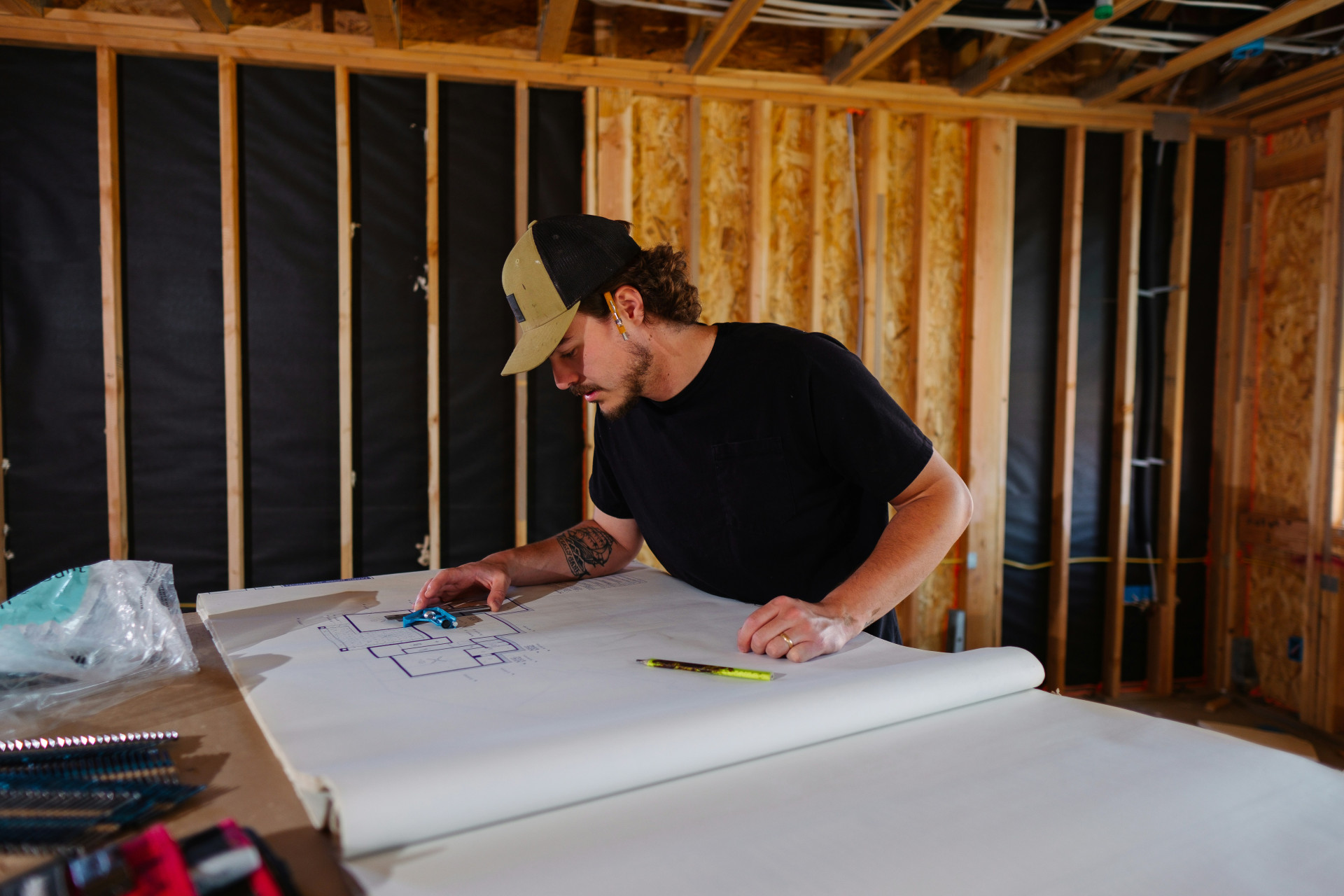
When the dream of a new home starts to take shape, many Americans find themselves comparing different prefabricated home options. It can be tempting to let price be the deciding factor, but in the long run, that’s rarely the best strategy. A home is more than a financial investment—it’s the setting for your life. That’s why function, quality, and flexibility should weigh more heavily than a few dollars saved per square foot.
Here’s why it pays to think long-term when choosing a prefabricated home, and how to find the solution that best fits your lifestyle.
Functionality – A Home That Works for Everyday Life
A beautiful home isn’t worth much if it doesn’t work in practice. Functionality is about how the layout supports your daily routines—where you cook, work, relax, and gather with family and friends.
Take time to consider how you live today and how your needs might change in the future.
- Room placement: Do you want the kids’ bedrooms close to the primary suite, or would you prefer more separation?
- Storage: Does the design include practical features like a mudroom, pantry, or built-in storage?
- Adaptability: Can the home be modified easily if your family grows, or when the kids move out?
A well-designed prefabricated home should offer a layout that can evolve with your life—without requiring major renovations.
Læs også:
Quality – Materials and Craftsmanship Matter
When building new, it’s easy to be drawn in by glossy brochures and model homes. But the real difference often lies in the materials and craftsmanship behind the walls.
A cheaper home may look appealing on paper, but if quality is compromised, it can quickly become more expensive to maintain and operate.
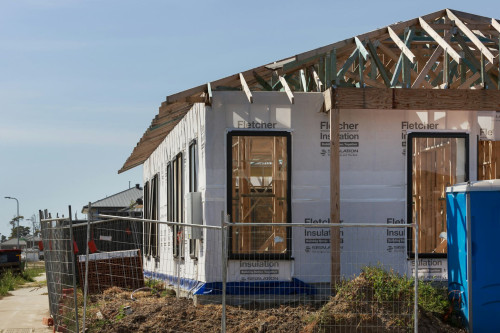
- Building materials: Ask about the roofing, windows, insulation, and framing materials used.
- Energy efficiency: A well-insulated home with high-quality systems will lower utility bills and improve comfort.
- Construction standards: Check the builder’s experience, warranties, and certifications.
A quality-built home lasts longer, requires less maintenance, and retains its value better over time.
Flexibility – Freedom to Shape Your Home
A prefabricated home doesn’t have to mean a cookie-cutter design. Many modern manufacturers offer a high degree of customization, allowing you to adjust the floor plan, finishes, and exterior style.
This could mean moving walls, changing window placements, or choosing alternative siding and energy systems.
When selecting a builder, ask how much flexibility they offer. Some companies work with fixed models, while others use modular systems that let you mix and match components to create your ideal layout.
Flexibility isn’t just about aesthetics—it’s about creating a home that fits you, not the other way around.
Price – Looking Beyond the Initial Cost
Of course, price matters. But instead of focusing solely on the lowest price per square foot, consider the total cost of ownership—what it will cost to own, operate, and maintain the home over time.
A slightly higher upfront investment in better insulation, quality windows, and durable materials can save you money in the long run.
Build a realistic budget that includes construction, financing, energy use, and maintenance. This gives you a clearer picture of what you’re truly getting for your money.
Guidance and Peace of Mind During the Process
Building a prefabricated home is a major decision, and the process can feel complex. That’s why it’s important to choose a builder who offers transparency and solid guidance.
A reputable company will help you understand contracts, permits, and timelines—and will be available to answer questions along the way.
Peace of mind during construction is just as important as the finished home itself. It’s about feeling heard and confident that your project will be completed as promised.
A Home That Lasts
When you choose a prefabricated home, you’re not just selecting a building—you’re shaping the framework for your life. A home that should serve you for many years, adapting to both everyday routines and life’s changes.
By prioritizing function, quality, and flexibility over price, you’re investing in a home that not only looks good but feels right—year after year.
Læs også: