Probability in Games and Everyday Life – Learn to Think Like a Responsible Player

Probability in Games and Everyday Life – Learn to Think Like a Responsible Player
Probability is a concept most of us remember from math class, but it’s far more than a school subject. It shapes many of our daily decisions—from checking the weather forecast to buying insurance or playing a game of chance. Understanding probability isn’t just about numbers; it’s about recognizing risk, expectation, and randomness. And that understanding is key to becoming a responsible player.
What Does Probability Really Mean?
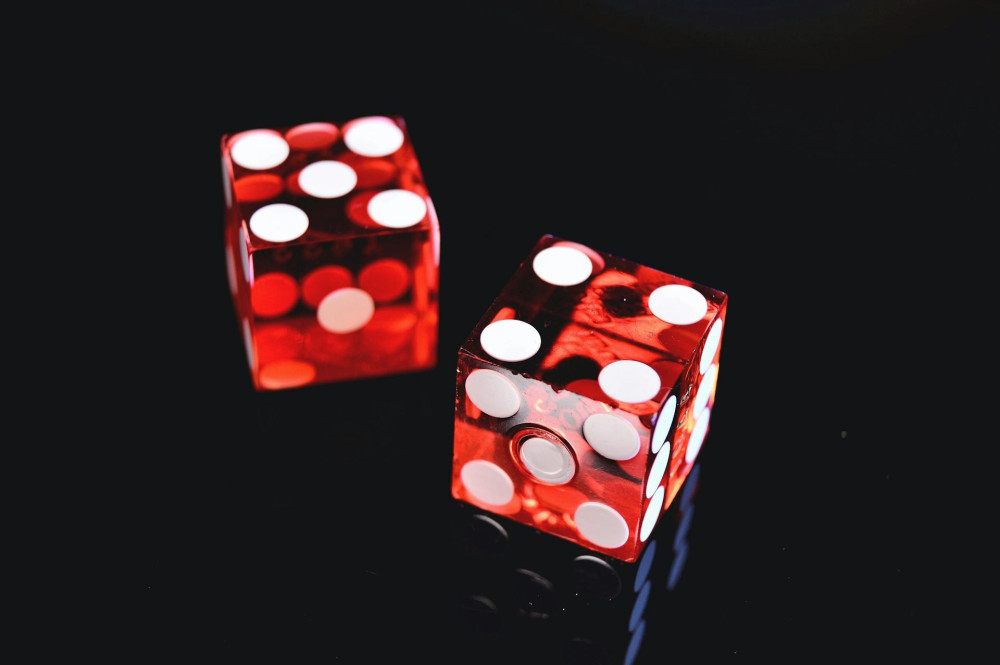
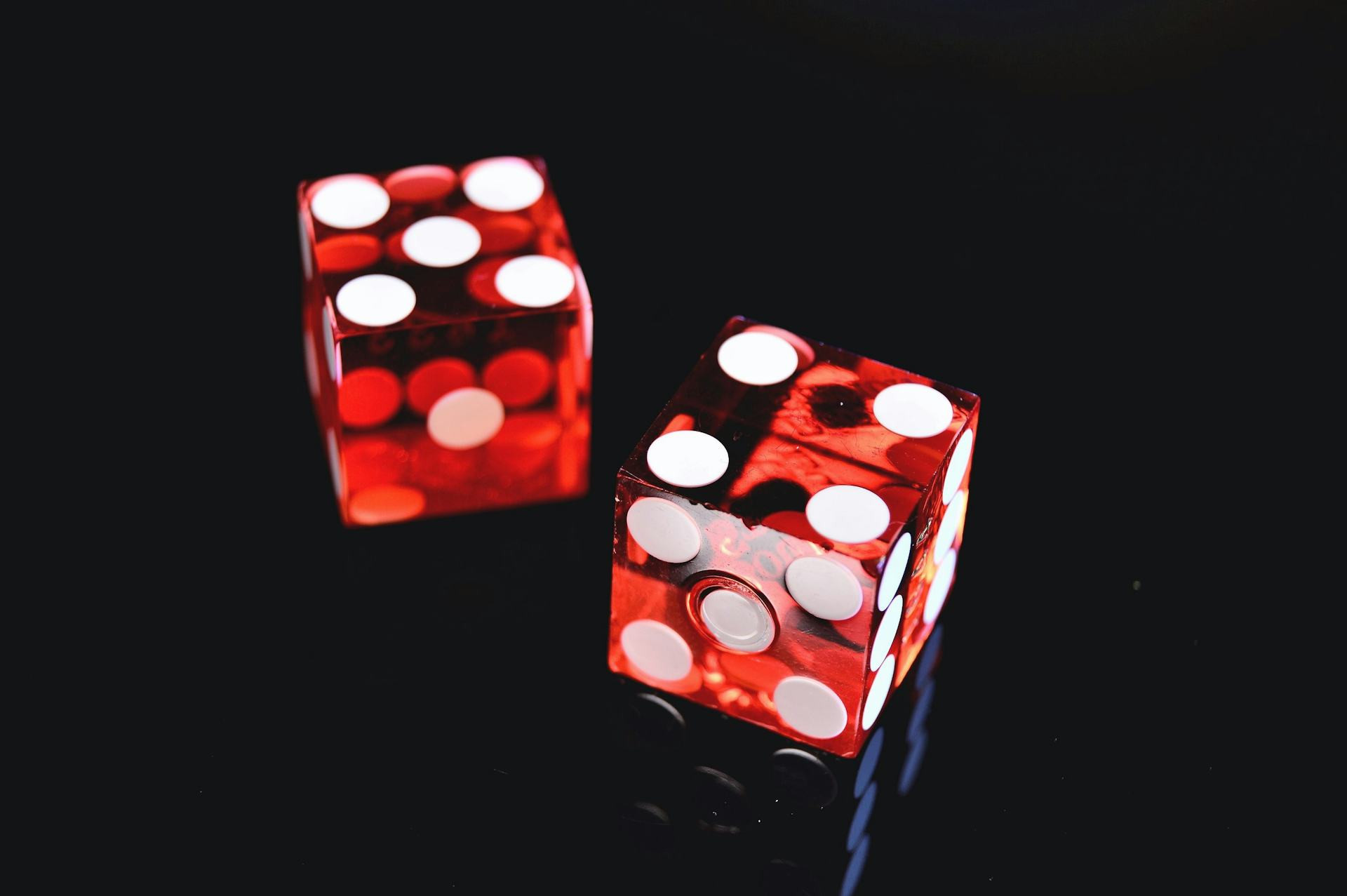
Probability describes how likely it is that a certain event will happen. When you roll a fair six-sided die, there are six possible outcomes, and the chance of rolling a six is 1 in 6, or about 16.7%. That’s simple enough, but in real life, probabilities often involve many variables and can quickly become more complex.
In games of chance—like card games, sports betting, or casino games—probability is the foundation of the entire experience. Every game is designed with specific odds, and it’s important to remember that the “house” (the game operator) always has a mathematical advantage. That doesn’t mean you can’t win, but over time, the system is built so that the house profits.
Why We Often Misunderstand Randomness
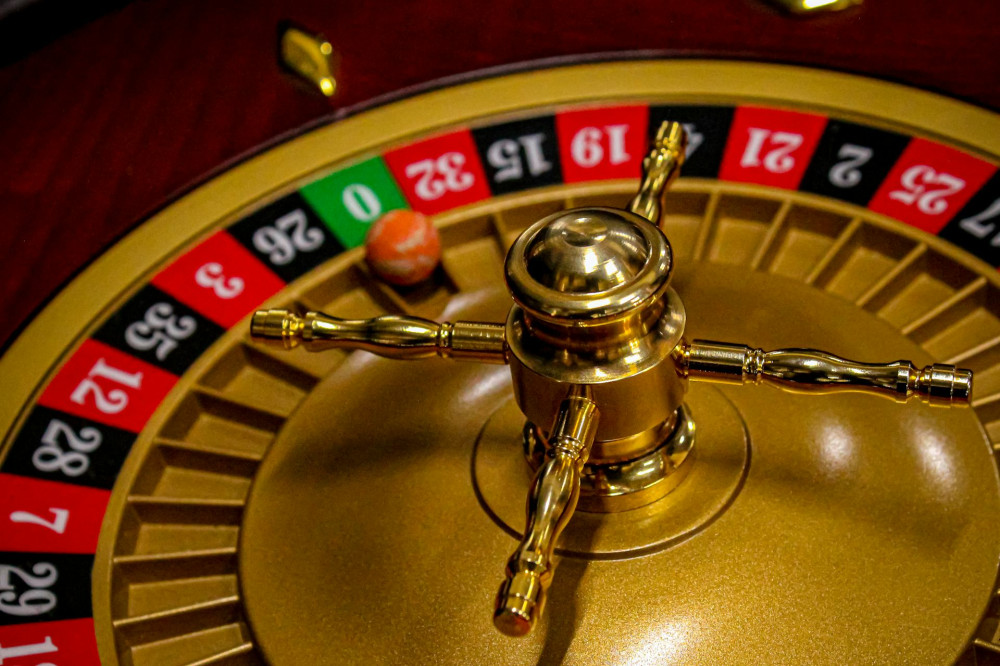
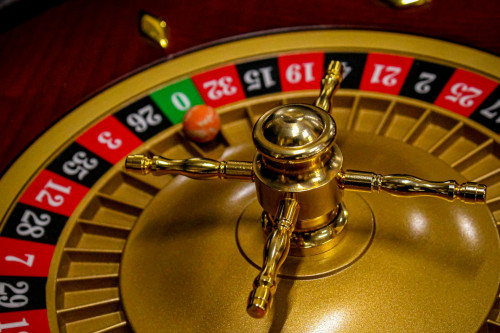
Humans aren’t naturally good at thinking in probabilities. We tend to see patterns where none exist and believe we can predict random events. A classic example is the “gambler’s fallacy”: the belief that if the roulette wheel has landed on black five times in a row, it’s “due” to land on red next. In reality, each spin is independent—the odds don’t change.
The same kind of thinking affects our everyday decisions. We often overestimate rare events, like winning the lottery or being in a plane crash, and underestimate more common risks, such as car accidents or health issues. Understanding probability helps us make more realistic choices—both in games and in life.
Læs også:

Play Smart – Not for Profit
Playing games can be fun and exciting, as long as you remember that chance, not skill, drives most outcomes. A responsible player knows that gambling isn’t a way to make money—it’s a form of entertainment, and the cost of playing is the price of that entertainment.
Here are a few simple principles for responsible play:
- Set a budget – and stick to it, no matter if you win or lose.
- Play for fun – not to win back losses.
- Take breaks – gaming should be a leisure activity, not a habit.
- Know the games – understand the rules and the odds before you play.
- Seek help – if gambling starts to feel overwhelming, support is available through organizations like the National Council on Problem Gambling (NCPG) or local helplines.
By understanding probabilities and your own limits, you can stay in control and enjoy the game without losing perspective.
Probability in Everyday Life
Even outside of gaming, probability is everywhere. When you decide whether to bring an umbrella, you’re relying on the probability of rain. When you choose a health plan or car insurance, you’re weighing the likelihood of certain events. In medicine, probability helps doctors estimate how effective a treatment might be.
Thinking in probabilities doesn’t mean being cynical or overly analytical—it means seeing the world more clearly. It helps us make better decisions, avoid unnecessary risks, and appreciate how much chance influences our lives.
Learn to Think Like a Responsible Player
Thinking like a responsible player ultimately means understanding probability and making conscious choices. That applies not only to games but to life’s many decisions.
When you know how the odds work, you’re less likely to fall for illusions of luck—and more able to enjoy the game for what it truly is: an experience, not an investment.
Læs også: