Energy Renovation as an Investment in a Sustainable Housing Economy

Energy Renovation as an Investment in a Sustainable Housing Economy
Energy renovation is not just about lowering your utility bills—it’s an investment in your home’s value, comfort, and the planet’s future. As energy prices fluctuate and climate goals tighten, improving energy efficiency has become a smart financial and environmental decision for American homeowners. But how do you get started, and what are the long-term benefits?
Why Energy Renovation Pays Off
Energy renovations can include anything from better insulation and upgraded windows to heat pumps and solar panels. The common goal is to reduce energy consumption—cutting both carbon emissions and monthly expenses.
While the upfront costs can seem significant, studies from the U.S. Department of Energy and real estate analysts show that many energy upgrades pay for themselves over time. A well-executed renovation can increase your home’s resale value, improve its energy rating, and make it more attractive to buyers. It also provides financial stability by reducing your exposure to rising energy costs.
The Most Effective Upgrades
When planning an energy renovation, it’s important to focus on improvements that deliver the greatest impact for your investment. Here are some of the most effective and profitable options for U.S. homeowners:
- Attic and wall insulation – reduces heat loss and offers one of the fastest payback periods.
- Energy-efficient windows – modern double- or triple-pane windows can dramatically cut heating and cooling costs.
- Heat pumps – an eco-friendly alternative to traditional furnaces and air conditioners that can significantly lower energy use.
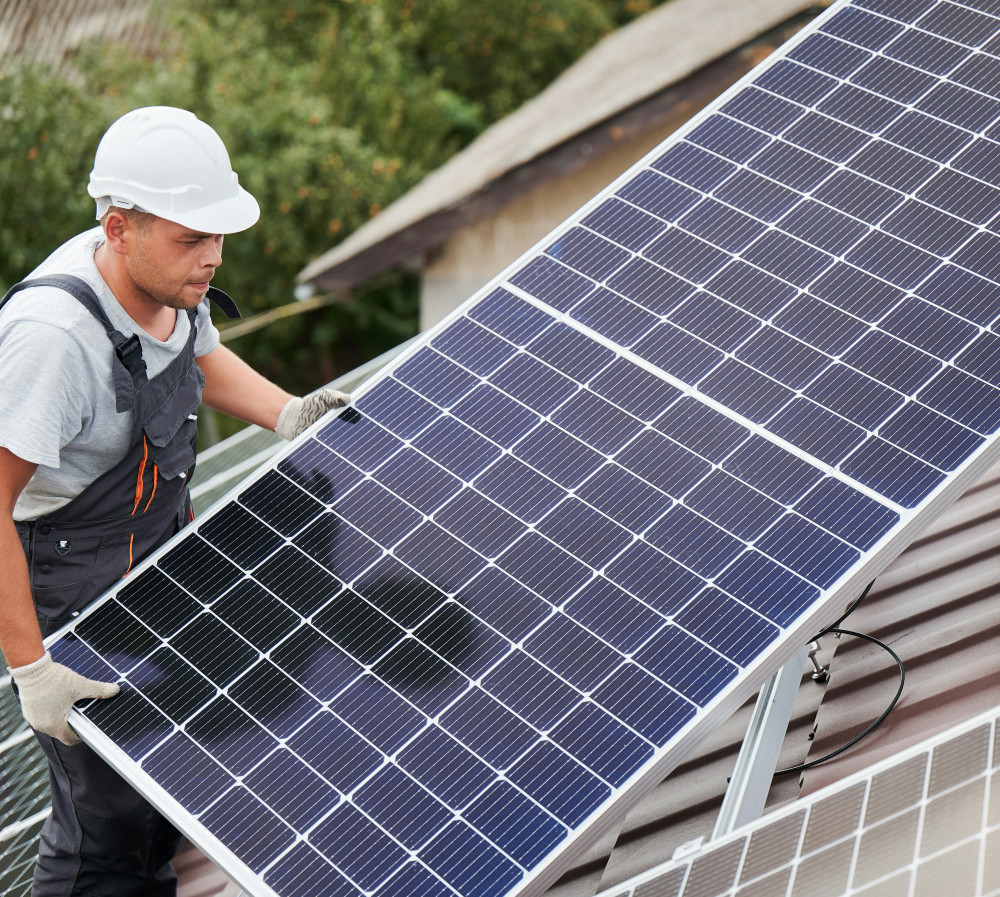
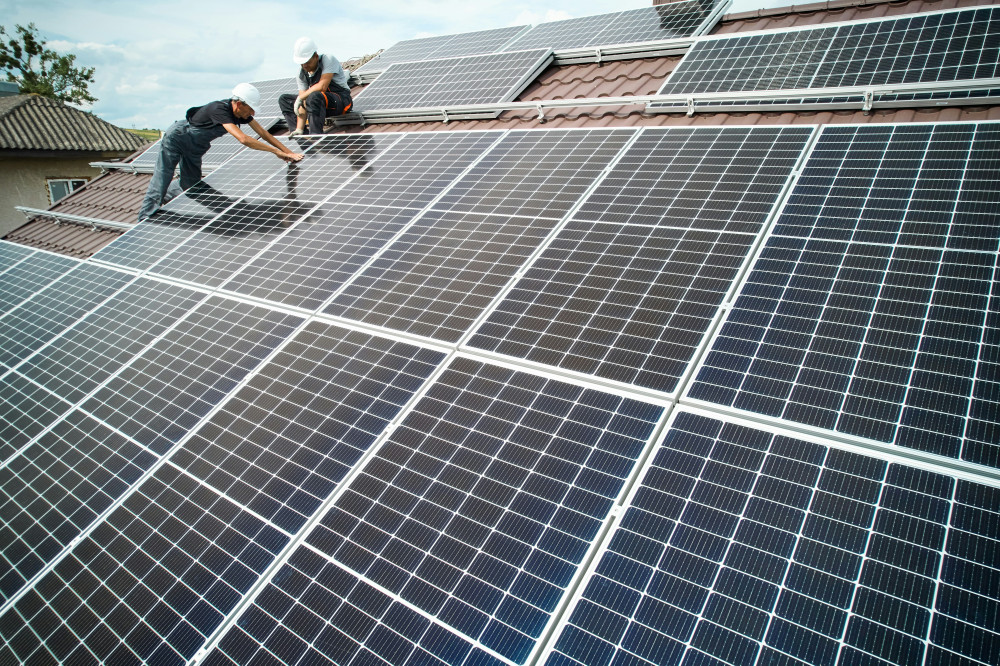
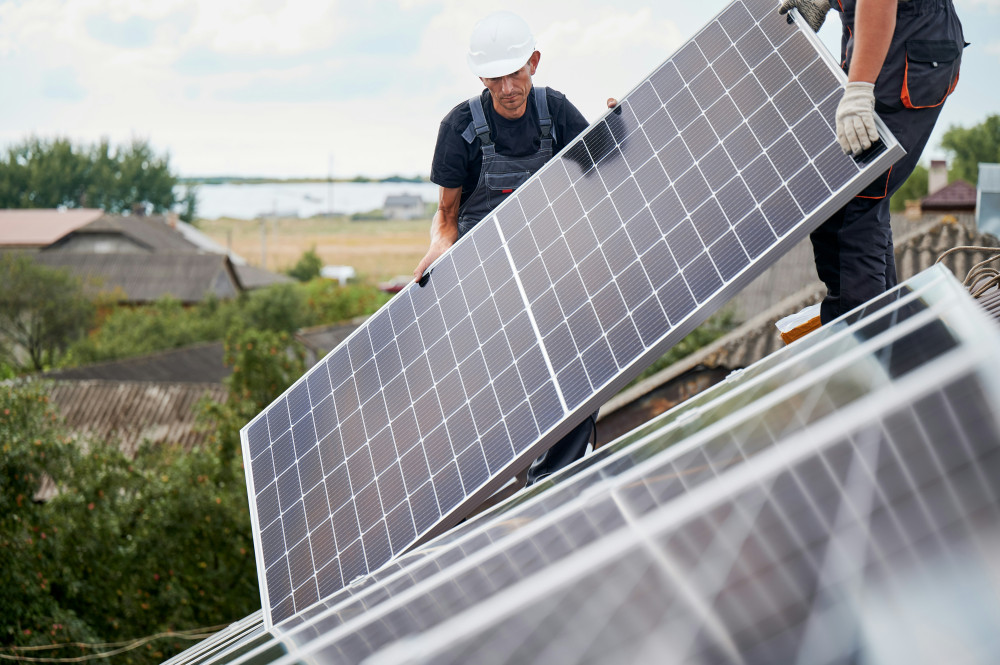
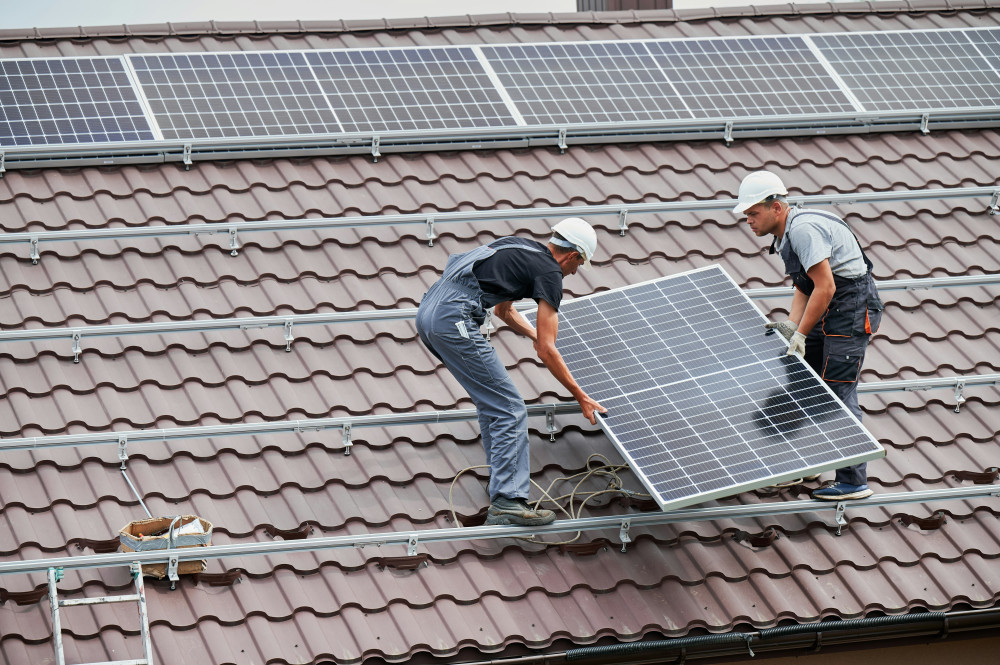
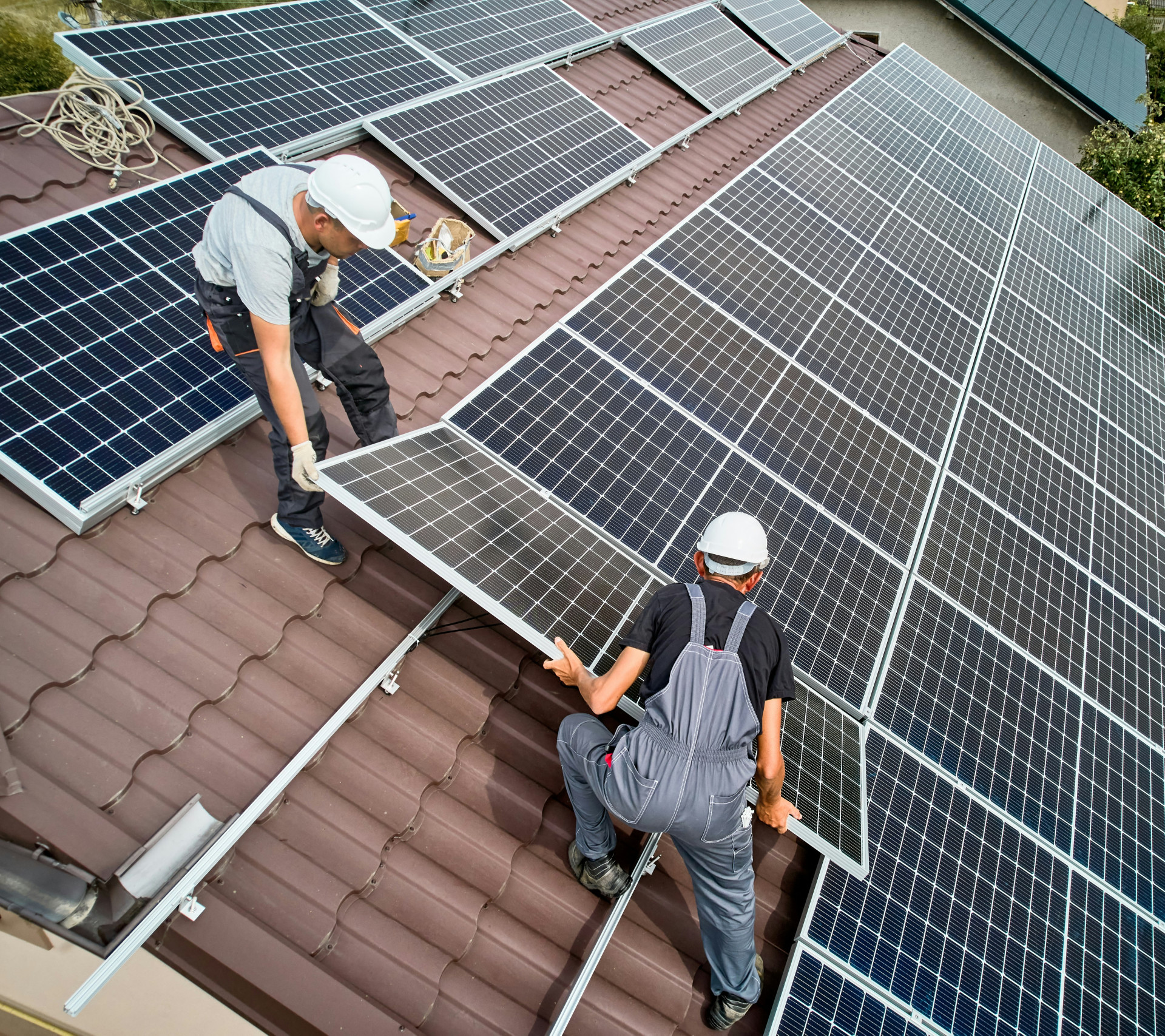
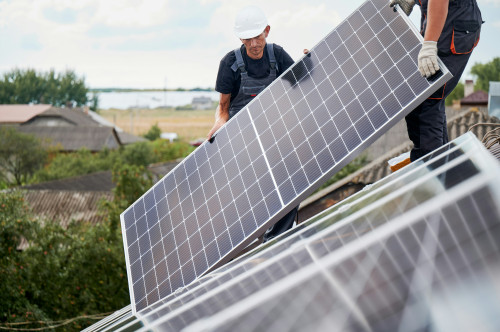
- Solar panels – generate your own electricity and can be paired with battery storage for maximum efficiency.
- Smart thermostats and energy management systems – optimize heating and cooling automatically, saving energy without sacrificing comfort.
The best starting point is to schedule a professional home energy audit. This assessment identifies where your home is losing energy and which improvements will yield the best results.
Læs også:
Financing and Incentives
Although energy renovations require an initial investment, there are many ways to make them more affordable. Federal programs like the Inflation Reduction Act offer tax credits and rebates for energy-efficient upgrades, including heat pumps, insulation, and solar installations. Many states and utilities also provide additional incentives or low-interest “green loans” for homeowners pursuing energy improvements.
Before starting your project, research available programs in your area and consult your bank or credit union about financing options. Combining incentives with favorable loan terms can significantly reduce your out-of-pocket costs.
Comfort and Indoor Climate – The Hidden Benefits
Beyond the financial advantages, energy renovations greatly improve comfort and indoor air quality. A well-insulated home stays warmer in winter and cooler in summer, while modern ventilation systems ensure fresh air without wasting energy. These upgrades reduce drafts, humidity, and the risk of mold—creating a healthier living environment for your family.
Though these benefits are harder to quantify, they enhance quality of life and contribute to your home’s overall value.
An Investment in the Future Housing Market
The U.S. housing market is increasingly driven by sustainability. Buyers are paying closer attention to energy efficiency, operating costs, and environmental impact. Homes with energy upgrades often sell faster and at higher prices.
At the same time, building codes and energy standards are becoming stricter. By investing in energy renovation now, you can future-proof your property and avoid costly retrofits later.
How to Get Started
- Schedule an energy audit – hire a certified energy assessor to evaluate your home’s performance.
- Create a plan – prioritize projects based on cost, impact, and feasibility.
- Explore financing and incentives – check federal, state, and local programs for available support.
- Hire qualified contractors – choose professionals experienced in energy-efficient construction.
- Track your results – compare energy bills before and after to measure your savings.
Energy renovation is more than a cost-saving measure—it’s a way to take responsibility for your finances, your comfort, and the environment. With thoughtful planning and the right support, you can create a home that’s more efficient, more valuable, and ready for a sustainable future.
Læs også: